Why Canada has so many potholes
Potholes aren't random. Here's the freeze-thaw cycle that wrecks Canadian roads — and why faster reporting is the cheapest fix.
By The SpotFix team
Anyone who drives in Canada knows the routine. The road looks fine on Tuesday. By the weekend it's swallowing tires.
Potholes feel random, but they aren't. They follow a pretty boring physics lesson — water, freeze, thaw, repeat.
How a pothole actually forms
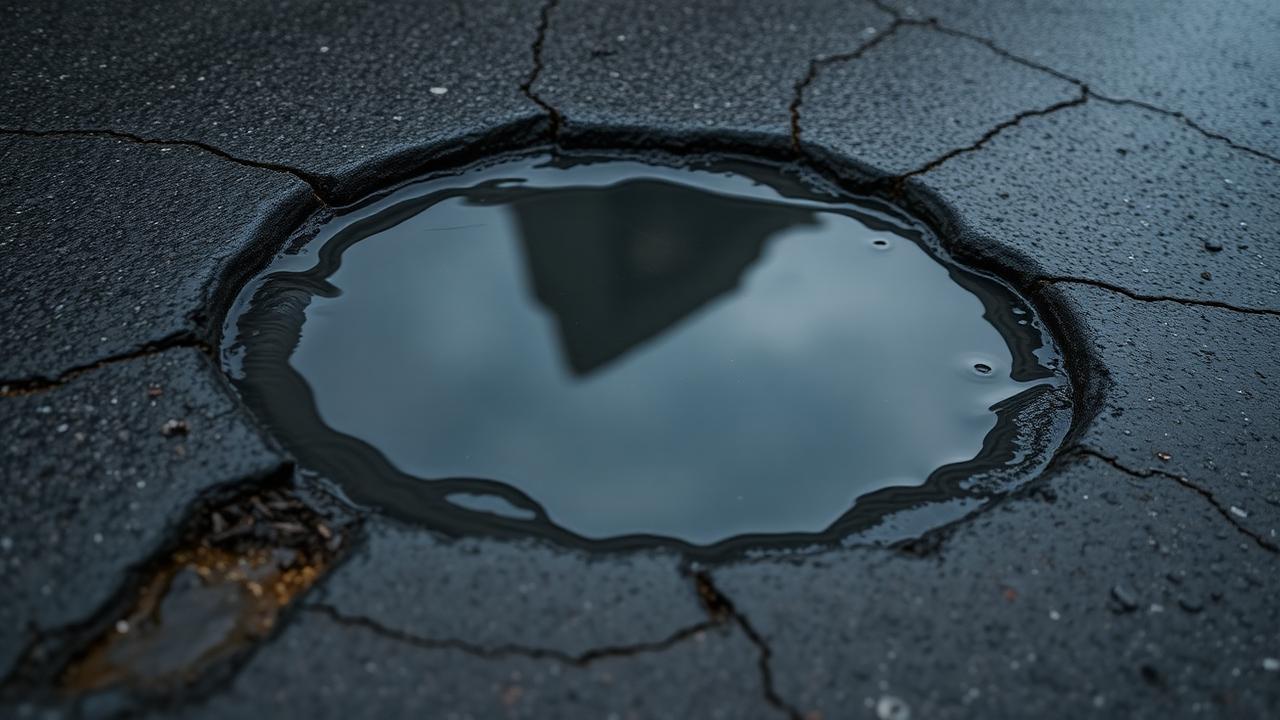
Pavement isn't airtight. Tiny cracks let water seep in. When the temperature drops below freezing, that water expands by about 9% as it turns to ice and pushes the asphalt apart from underneath. A few hours later it thaws. Then it freezes again. And again.
After enough cycles, the binding under the surface gives up. The next loaded truck tire pops the weak spot loose, and you've got a pothole.
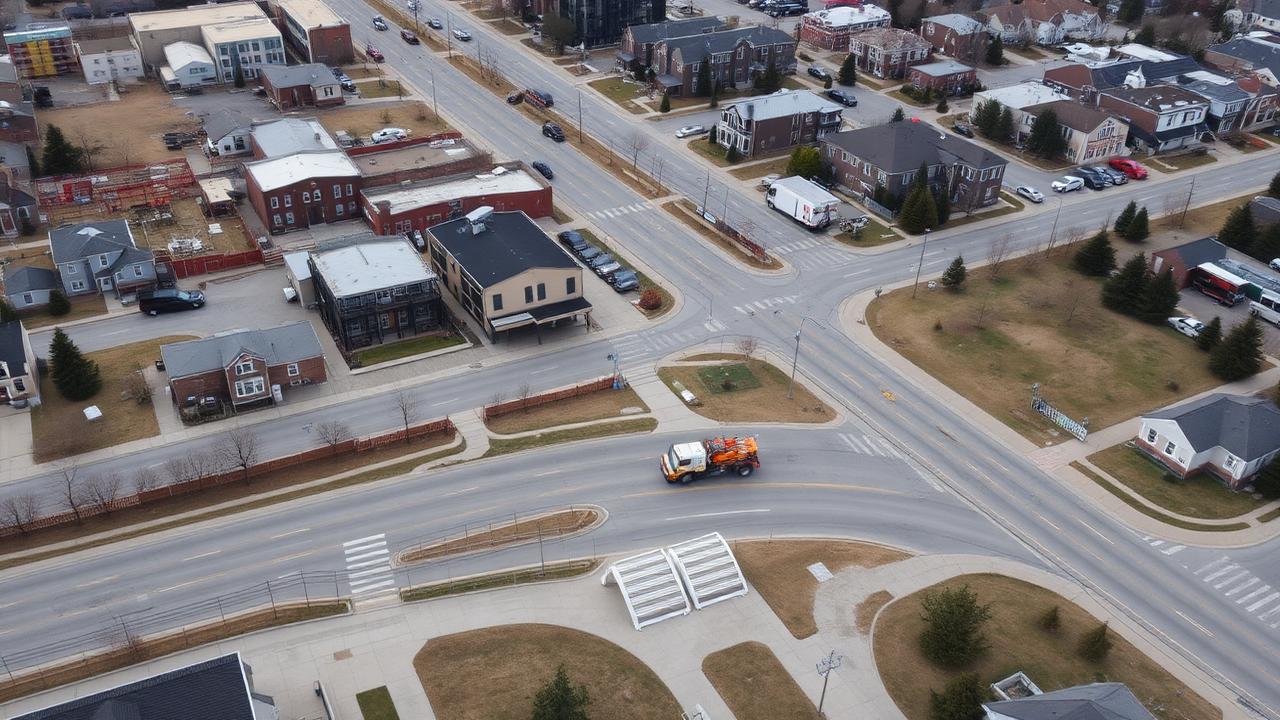
Across Ontario and most of Canada we get the worst of all of it: heavy snow, freezing rain, road salt, plows scraping the surface, and gravel trucks in the spring. Roads from Windsor to Thunder Bay take a beating from October to May.
It's not just an annoyance
Hit one wrong and you're looking at a bent rim, a blown sidewall, knocked-out alignment, or worse. CAA has reported that roughly 85% of surveyed members are concerned about road conditions, and that potholes routinely damage tires, suspension, alignment, and wheels.
The scale is bigger than most people realize. CAA's 2025 Ontario Worst Roads campaign collected nominations for more than 2,400 roads across 208 municipalities — a 20% jump from the year before.
The real problem isn't fixing them
Public works crews fix potholes every day. The harder part is knowing where they are while they're still small. A pothole reported on Monday gets a cold patch on Tuesday. A pothole nobody reports gets bigger for three weeks until it cracks an axle.
Right now, reports come in from everywhere — phone calls, emails, Facebook tags, councillor DMs, the occasional 311 line. By the time a supervisor sorts through it, half the complaints are duplicates and a third don't have a real address.
What SpotFix changes
A resident pulls out their phone, snaps a photo, and submits. The report carries GPS coordinates, a timestamp, and an AI-estimated size. Duplicates get grouped automatically. The pothole shows up on a public map as a red pin, turns yellow when crews are on it, and green when it's done.
Cities can't fix what they don't know about. A photo on a map beats a phone call you forgot to make.
Spot it. Report it. Map it. Fix it.