How faster hazard reporting prevents workplace injuries
Most workplace injuries start as small problems somebody noticed but never wrote down. SpotFix gives workers a 60-second way to flag hazards.
By The SpotFix team

Almost every serious workplace injury has a quiet prequel. Somebody noticed the spill. Somebody saw the guardrail was loose. Somebody mentioned the burnt-out light over the loading dock. It just never made it into a report.
Hazard reporting on most sites is harder than it has any right to be. The form is on a clipboard in an office across the yard. The phone number for the safety lead changes every quarter. The supervisor said they'd take care of it and then a shift change happened.
What faster reporting actually looks like
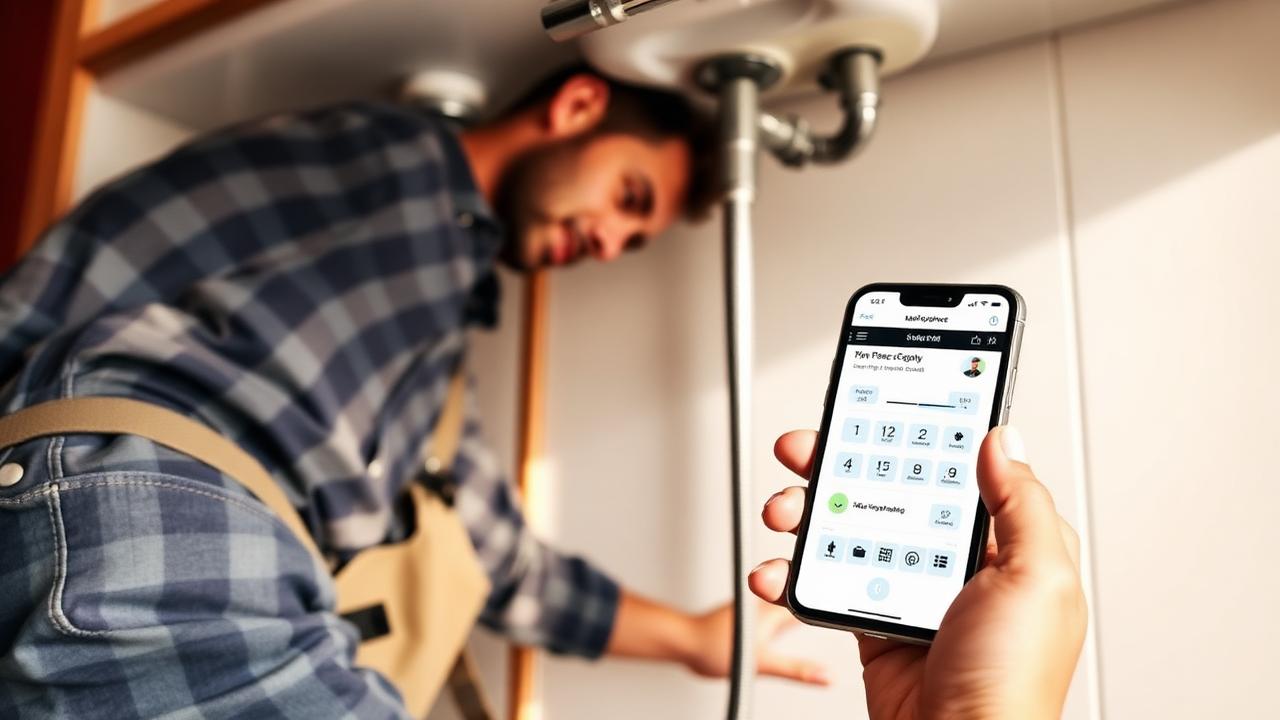
A worker pulls out their phone, snaps a photo of the broken rung, taps a category, and submits. The report carries a timestamp, GPS, and a photo. It routes automatically to the supervisor on duty, the safety lead, or a maintenance contact based on rules you set up once.
From there it has a status. Reported. Acknowledged. In progress. Fixed. Every change is logged.
Where this matters most
SpotFix's private workplace mode is built for sites where small issues turn dangerous fast:
- Mines and underground operations
- Sawmills and processing plants
- Warehouses and distribution centres
- Construction and civil sites
- Manufacturing floors
- Trucking yards and logistics terminals
- Public works yards and maintenance shops
Why it's worth doing
WSIB reported 48,711 registered Schedule 1 claims in Ontario in Q3 2025, including 17,494 lost-time claims. Behind a lot of those numbers is a hazard somebody noticed and didn't have an easy way to report.
SpotFix is not a replacement for a real health-and-safety program. It's a faster front door to one. The form gets filled in. The photo doesn't disappear into someone's camera roll. The follow-up is on the record.
For employers, that means fewer hazards slipping through, cleaner audit trails, and provable response times. For workers, it means flagging a problem doesn't require chasing anyone down.
The best safety incident is the one that never happened because somebody reported the hazard first.